

Texas A&M University
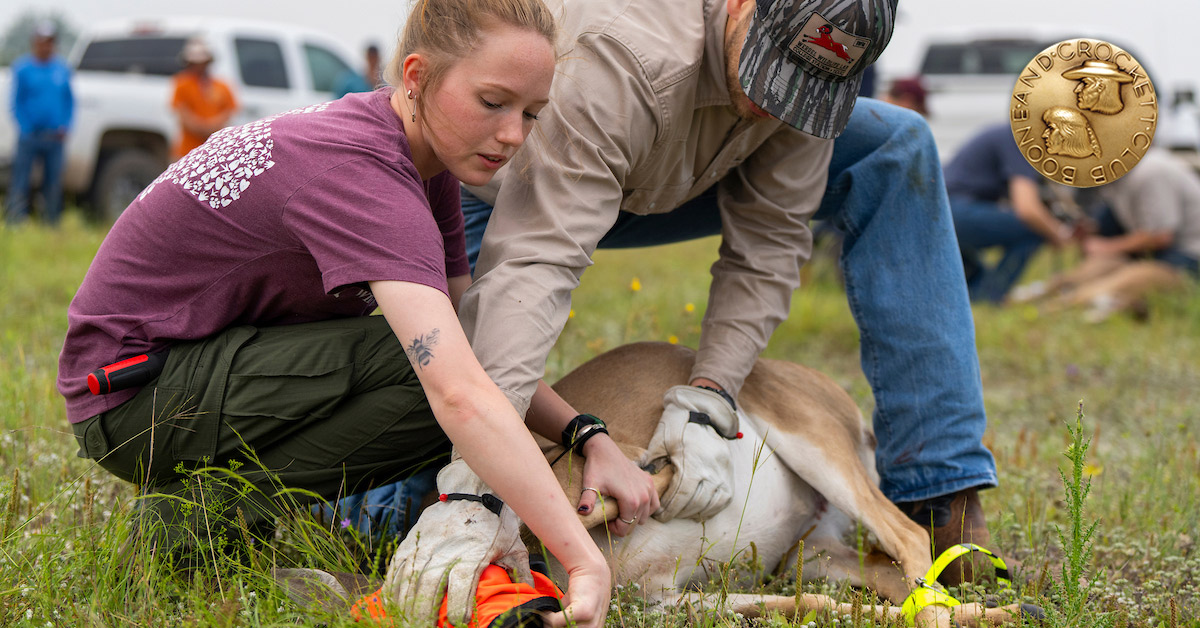
Students in this department are interested in making contributions to solving problems associated with the extinction of species, wildlife recreational uses, food production from aquaculture, environmental education, and urban wildlife and fisheries recreational activities.
TAMU Wildlife Program
The Department of Rangeland, Wildlife, and Fisheries Management at Texas A&M University offers a rigorous, hands-on program for students seeking meaningful careers in natural resource stewardship and conservation. The program is supported by nationally recognized faculty whose expertise spans rangeland and wildlife ecology, fisheries health, policy, human dimensions, and more. Classes go far beyond the classroom, with access to more than 6,000 acres of department-owned properties across Texas, where students gain experience through applied research. The department focuses on delivering science-backed solutions to today’s most pressing conservation challenges affecting the health and sustainability of aquatic and terrestrial resources. Students can tailor their undergraduate coursework through five focused degree tracks, including wildlife, rangelands, fisheries and aquaculture management, natural resources management and policy, or outdoor enterprise management. A standout opportunity is the Texas A&M Boone and Crockett Wildlife Conservation and Policy program. This unique program, in partnership with the Texas A&M Bush School of Government, enables motivated students to earn both a bachelor’s and a master’s degree in five years while also gaining advanced training and professional connections. For students interested in graduate study, the department also offers master’s and doctoral degrees that prepare graduates for leadership roles in conservation, research, and academia across Texas and beyond.
Learn More About Texas A&M University
TAMU Boone and Crockett Professorship Program
TAMU welcomed Dr. James W. Cain III in 2026 as the new Boone and Crockett Chair in Wildlife Conservation and Policy. James earned degrees from Colorado State University (B.S.- Biology), California State University-Sacramento (M.S.-Biological Conservation), and the University of Arizona (Ph.D.-Wildlife and Fisheries Science). James was a postdoctoral fellow in the Center for African Ecology at the University of the Witwatersrand in South Africa where he studied interactions between African buffalo, zebra, and sable antelope, after which he worked as an assistant professor at Texas A&M University-Commerce. For the past 15 years, James was Assistant Unit Leader, then Unit Leader of the U.S. Geological Survey, New Mexico Cooperative Fish and Wildlife Research Unit before joining the faculty at TAMU. James’ research interests are primarily in wildlife-habitat relationships, population ecology, predator-prey interactions, and foraging ecology. James and his students address both basic and applied questions related to wildlife ecology, conservation and management with a focus on large mammals in arid and semi-arid systems. Central themes of his research program include understanding how environmental heterogeneity, predation risk, climate variability, wildfire, and land-use change influence wildlife movements, habitat selection, and resource use. Additional research themes include evaluating demographic processes, developing improved monitoring protocols, and evaluating ecological consequences of management interventions including predator recovery, translocation programs, and habitat restoration.
Learn More about Dr. Jimmy Cain
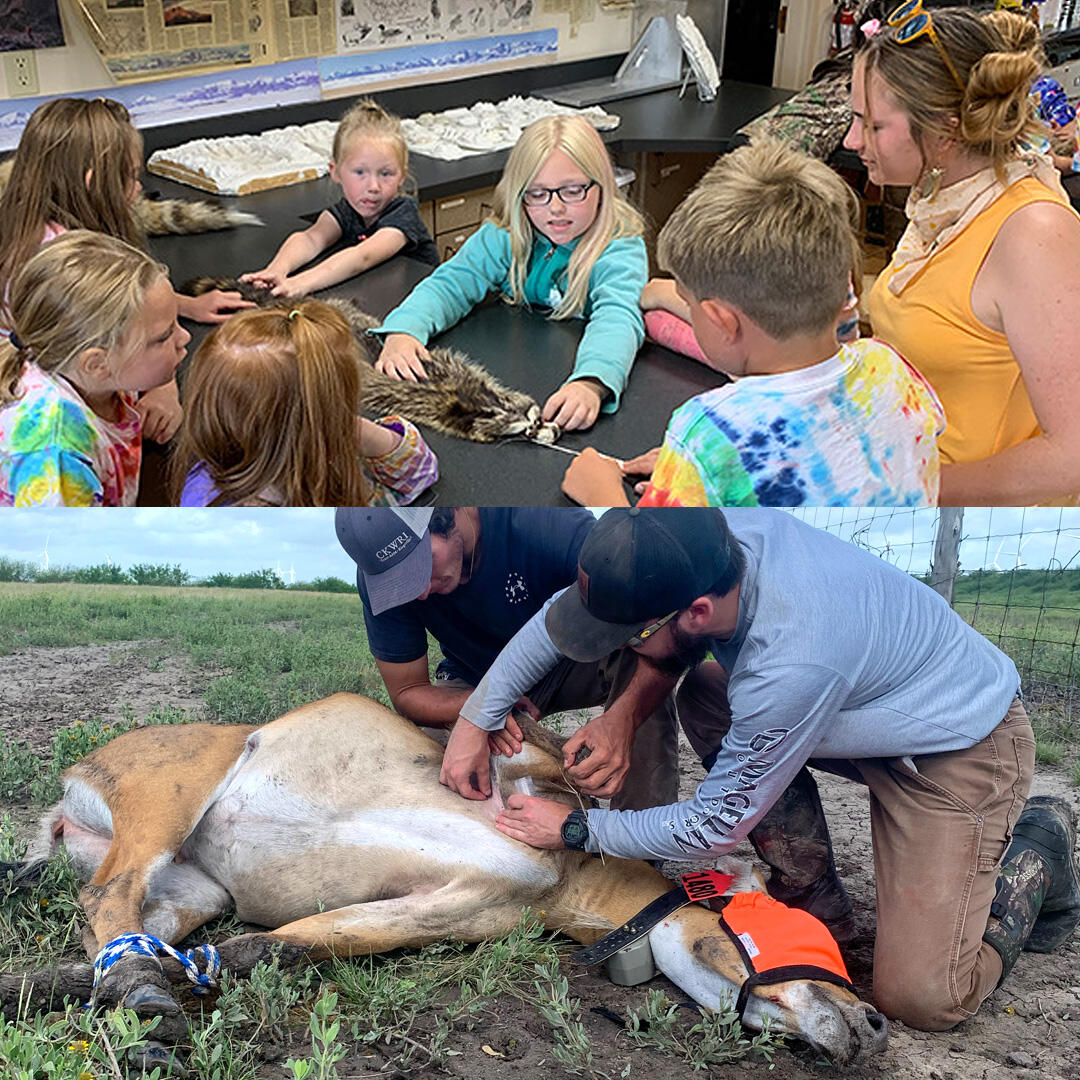
Want to see how the Club is shaping the next generation of conservation leaders? The Boone and Crockett Club is building the pipeline of scientists, policymakers, and communicators who will carry conservation into the next century. Your donation will also support youth and digital outreach that connects new audiences to hunting and the natural world. Donate today to invest directly in the people and programs preparing tomorrow's conservation leaders.