

Roadmap to the Record Book
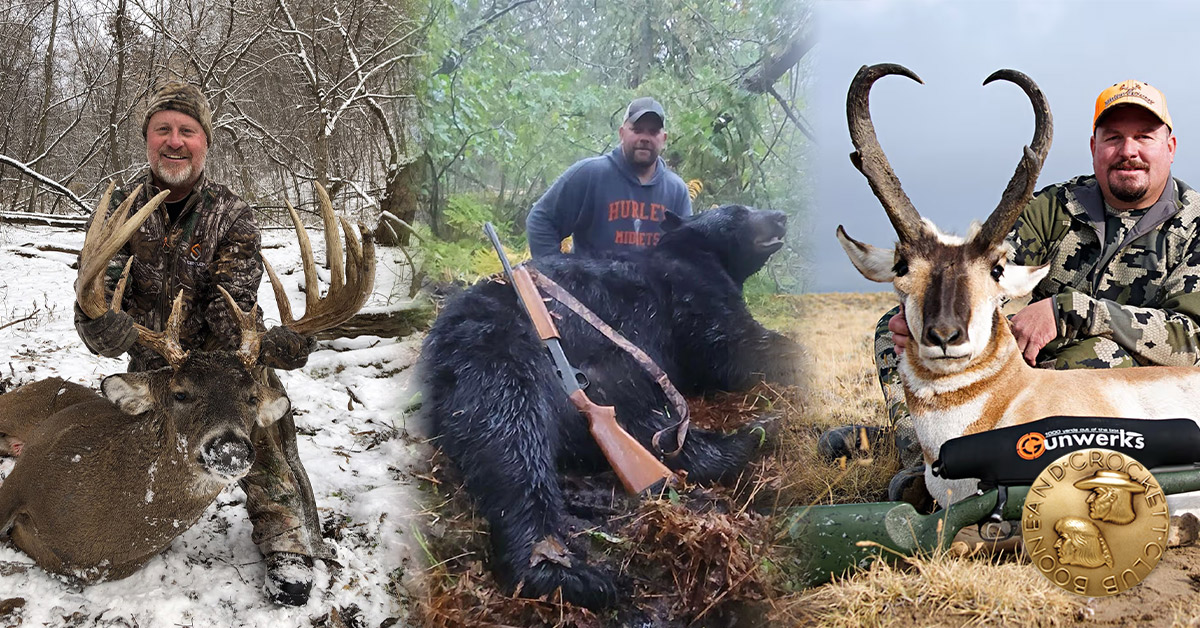
Using our vast records database, we ran the numbers on thousands of accepted entries to find your absolute best shot at a record-book entry.
For hunters who have had the good fortune to shoot an animal big enough to make the Boone and Crockett records, chances are it was the result of a combination of a number of factors: skill, habitat management, money, time, guides, weather, and/or no small amount of luck.
But what if there was a way to zero in on those factors? What if you could narrow down one species in one state that would improve the odds of getting a “Booner” anything. It’s a Herculean task, but that’s what we did. We pulled the numbers from our records database—every accepted entry, mapped by species, state, county, method of harvest, and even time of day. Here's what the data says.
Wyoming Pronghorn
If you could only pick one species and one state, the numbers point here.
Since 2003, the records program has accepted 2,190 pronghorn entries. Wyoming alone accounts for 729 of them. New Mexico comes in second at 445 entries.
Wyoming holds roughly half the pronghorn on the continent. Decades of science-based management and vast tracts of public sagebrush steppe have consistently produced mature bucks with heavy horn growth.
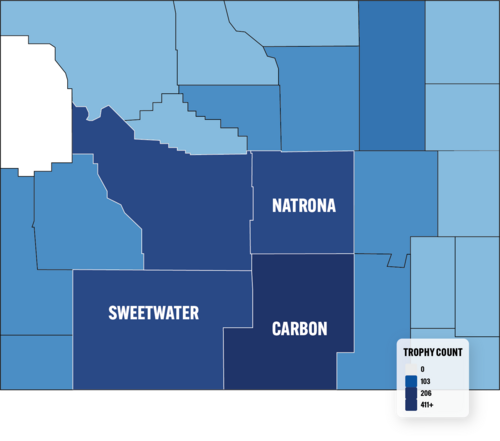
Look to Carbon, Sweetwater, and Natrona counties, which have produced the densest clusters of entries. These are big-country units with extensive public access to BLM land. You don't need a guide or a private-land lease. You need a good spotting scope, patience, and a knack for field-judging.
According to Big Game Records Live 2.0, time-of-harvest data shows many harvests happen between 8 and 11 a.m., which makes sense. Pronghorn are creatures of habit. They feed and move in the early-to-mid morning, and that's when they're most visible and most vulnerable on the plains. The midday lull is real. Plan your sit accordingly.
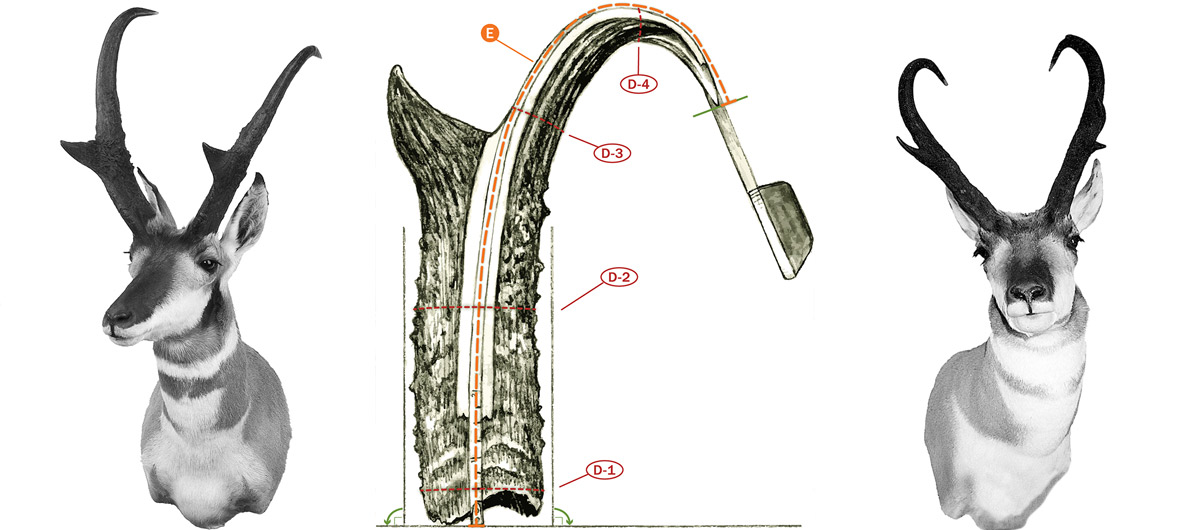
When field-judging a book buck, don’t let the height of the horns fool you. A tall-horned buck catches the eye, but mass and prong length drive the score. Look for heavy bases. Horns should appear thick relative to the ears at their base and have prominent, forward-sweeping cutters. A compact, heavy-horned buck will outscore a tall, thin-horned one almost every time.
Wisconsin Black Bear
When hunters think record-book black bears, they might think Alaska or British Columbia. The records data screams Wisconsin.
Wisconsin has produced 967 record-book black bear entries, placing it at the top of the state leaderboard. Pennsylvania is close behind, and its bears often carry slightly higher average skull scores (21 1/16 vs. Wisconsin's 20 7/8). But Wisconsin's combination of bear density, accessible public land, and a well-managed harvest system gives it the edge in sheer volume.
The reason is partly biological. Wisconsin's northern hardwood forests produce the mast crops (acorns, hazelnuts, berries) that grow bears with big skulls. A bear with reliable, high-calorie food sources through summer and fall develops the bone density that translates to score. The state's careful management of harvest zones and permit quotas ensures enough bears reach full maturity.
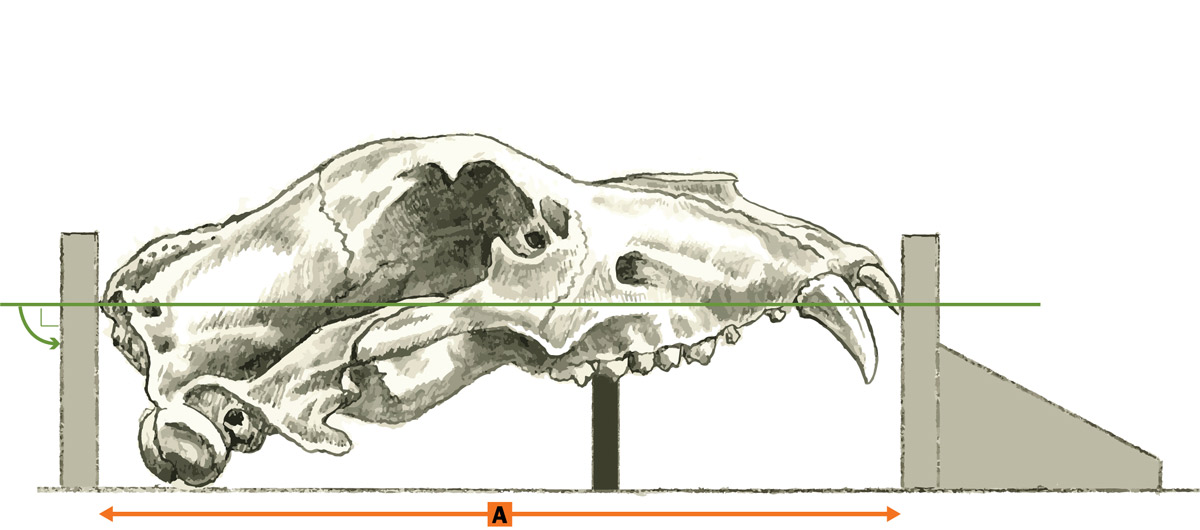
Field-judging black bears is tough. You have to look at the total package—overall body size, a wide, blocky head, and a bear that moves with the heavy, deliberate gait of an animal that has been on the landscape for several years. Some might call it swagger. If the head looks small relative to the body, the skull probably won't make the book. If the head looks like it belongs on a bigger bear, pay attention.
Whitetails, So Many Whitetails
Whitetails dominate the records by volume. There are currently more than 17,000 whitetail entries. No other species comes close.
That volume means opportunity. It also means the competition for truly exceptional bucks is fierce, and the genetics-plus-age-plus-nutrition equation has to line up. But the data still points to clear hotspots.
Wisconsin leads again, with 1,516 typical whitetail entries. Check out Buffalo County. Iowa, Illinois, Kansas, and Ohio round out the top tier. These are states where agricultural landscapes provide year-round nutrition, and management strategies (limited tags, earn-a-buck programs, age restrictions) have allowed bucks to reach the 4.5- to 6.5-year age classes where antler growth peaks.
Whitetails are especially fun for the variety of ways in which you can hunt them. Rifle and archery entries are both well represented, and the best method depends entirely on the state you're hunting. In Iowa, where rifle seasons are restricted, archery and muzzleloader entries dominate. In Wisconsin, rifle season produces the bulk of entries. Match your method to the regulations and the terrain.
For a typical whitetail, the Boone and Crockett scoring system rewards symmetry, beam length, tine length, and mass. A buck with long main beams (24+ inches), four or five long tines per side, and heavy mass measurements throughout will score well. The most common mistake in field judging is overestimating spread. While inside spread matters, it's capped at the length of the longer main beam.Tall tines and heavy beams beat wide racks.
Learn to Field Judge Whitetail Deer
What the Numbers Really Mean
The records book is, at its core, a conservation scoreboard. Every entry represents an animal that lived long enough, in habitat good enough, to reach its genetic potential. When you see more than 700 pronghorn entries from a single state, you're not looking at a hunting statistic. You're looking at proof that the North American Model of Wildlife Conservation works.The reason Wyoming produces record-book pronghorn is because Wyoming has invested in pronghorn and their habitat—sagebrush ecosystems, migration corridors, and research. There was a time not so long ago when pronghorn were on the verge of extinction.
So yes—if you want your name in the book, apply for a Wyoming pronghorn tag. Hunt the open sagebrush of Carbon County on a clear October morning. Glass until your eyes tear up, and when you find a heavy-horned buck with cutters you can see at 300 yards, make a clean shot.
But understand what you're really celebrating when you do. It’s not a score but a system built by hunters, funded by hunters, and sustained by the kind of science-based management that the Boone and Crockett Club has championed since 1887.
That's what getting your name in the book actually means.
Ready to Enter Your Animal?
Find a B&C Official Measurer near you, or learn more about the scoring and entry process.